Arterial

Average Rating

Showing all 15 results

About Genelyn Arterial Fluids

When you are in the prep room, a family's trust rests on your shoulders. You aren't just using chemicals; you are crafting a final memory. Everybody has a different story, from medical histories to moisture levels. Why leave that final look to chance? Genelyn arterial fluids offer the surgical precision you need. Our formulas don't just stop decay, they manage it. By reaching deep tissues that others miss, we ensure total sanitization and a peaceful, lifelike appearance every single time.

1. Finding the Right Index

The index/Gendx is your primary tool for control. Choosing the right strength determines how the body feels and looks under the chapel lights. We provide options that range from everyday reliability to heavy-duty power for the toughest cases.

2. Product Use Overview

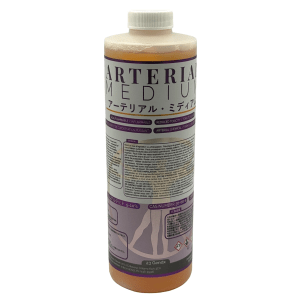
  • 20 - 23 Gendx (softer feel): Perfect of everyday embalming of smaller individuals and even newborns. Provides a softer end result without compromising the preservation of deep tissue. May be used on emaciated cases without the risk of excessive dehydration.
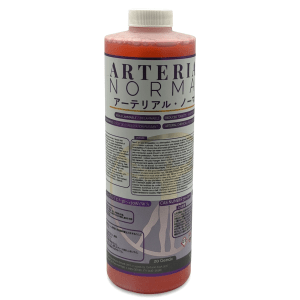
  • 25 - 28 Gendx (The Workhorse): Perfect for your daily cases. It provides a firm set without the brittle feel. It clears vascular discolorations quickly, replacing them with a warm, natural tone. Use this for consistency and ease of use.
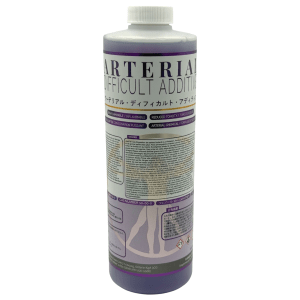
  • 30 -35 Gendx (The Heavy Hitter): For cases involving advanced decomposition, edema, or renal failure. This highindex/Gendx formula cuts through resistance and neutralizes tissue gas (using arterial Difficult and Difficult Additive) on contact, ensuring stability until the service.
  • Arterial Lanolin Enhanced and Arterial LE28/Samurai (The Hydrator): Nothing ruins a viewing like a sunken, dehydrated face. This humectant/Lanolin based fluid prevents leathering and keeps features looking full and supple. Ideal for emaciated cases or long-term cold storage.

3. Why Diffusion Over Injection?

Getting fluid into the Vessels is easy, but getting it into the cells is the real trick. Genelyn fluids feature ultra-low surface tension. This allows the chemicals to flow into the tiniest capillaries rather than just taking the path of least resistance or short-circuiting the arterial system. The result is an even distribution that eliminates blotchiness and ensures the entire  tissue is preserved uniformly.

Frequently Asked Questions

Everything you need to know about our arterial fluids product line.

Management of Jaundice Cases

Genelyn North America approaches jaundice cases differently from traditional embalming chemical providers. Conventional embalming practices often recommend using a low-index arterial chemical to minimize the risk of bilirubin (yellow pigmentation) converting to biliverdin (green pigmentation). However, in our experience, discoloration is only one of several significant challenges presented by jaundiced remains.

These cases are frequently accompanied by severe edema, extensive pharmaceutical intervention, and elevated levels of toxic metabolic byproducts. Additionally, many of the compounds present in jaundiced remains can neutralize formaldehyde, creating substantial preservation challenges. As a result, low-index chemicals may increase the risk of inadequate preservation and should be used with caution.

Genelyn North America advocates a preservation-first approach rather than prioritizing color control alone. For optimal results, we recommend the use of Arterial Difficult in combination with Arterial Ultra Red as the primary arterial injection chemicals.

Arterial Difficult provides exceptional preservative strength along with advanced bleaching capabilities, while Arterial Ultra Red contains a high concentration of red dye to impart a natural reddish tone to yellowed tissues before bilirubin has the opportunity to oxidize into green biliverdin. When additional coloration is required, Dye Concentrate Regular or Dye Super Concentrate Deep Scarlet may be added to achieve the desired tissue hue.

It is recommended to avoid the use of brown or tan dyes in jaundice cases, as these formulations typically contain yellow pigments that can contribute to undesirable discoloration.

Chemical Diffusion and Injection Technique

Proper diffusion of arterial chemicals is essential to achieving consistent embalming results. However, embalming chemicals can only perform effectively when they are adequately delivered to all areas of the body during injection. For this reason, both pressure and rate of flow play a critical role in chemical distribution and overall preservation quality.

Genelyn North America recommends a high-pressure approach of approximately 120–160 lbs, combined with a moderately slow rate of flow of 10–15 oz per minute, when injecting toward the trunk of the body. When injecting toward the head, we recommend maintaining the same pressure while reducing the rate of flow to approximately 2–4 oz per minute.

This method, combined with intermittent drainage, helps improve internal distribution. Periodically closing the drainage site for several minutes increases internal pressure, encouraging the arterial solution to move into areas of resistance and deeper tissue structures. This promotes more complete diffusion and improved preservation outcomes.

By contrast, free-flowing or continuous open drainage can contribute to what is often referred to as “shell embalming.” In this situation, the arterial solution follows the path of least resistance rather than being directed into deeper or more resistant tissues, resulting in incomplete distribution and less desirable results.

There is an old saying among embalmers: “When the embalming results are good, it is because of the skill of the embalmer; when the results are unfavorable, the chemical did not work.” In reality, chemicals can only perform when they are properly delivered. Successful embalming depends on ensuring that the arterial solution reaches all areas of the remains in sufficient quantity and concentration.

Determining the Need for Secondary Injection

A secondary injection is not always necessary; however, it is the responsibility of the embalmer to determine whether all areas of the remains have received adequate chemical saturation and preservation. Several factors can impede proper distribution, including extensive medical intervention, compromised vascular systems, arterial disease, trauma, and other pathological conditions.

One of the key indicators of successful distribution is the presence of slight tissue distention in areas such as the temples and fingertips. The fingertips, in particular, should appear plump and fully saturated, as these areas are often among the last to receive adequate arterial solution. Over time, mummification or dehydration of the fingertips is a strong indication that sufficient chemical saturation was not achieved during the initial injection.

As a general guideline, if there is any doubt regarding the level of preservation in a specific area, a localized vessel should be raised and additional arterial solution injected. It is always preferable to administer additional chemical when necessary rather than risk inadequate preservation.

The cost of a few extra dollars in chemicals and a small investment of additional preparation time is insignificant when compared to the consequences of incomplete preservation. Thorough distribution and adequate saturation remain essential components of professional embalming practice and are critical to achieving the highest standard of results.

Why Genelyn North America?

At Genelyn North America, our philosophy is built around two primary objectives: protecting your health and safety and delivering the highest-quality presentation and preservation results for the families you serve.

Traditional embalming chemistry has remained largely unchanged for decades and was originally developed for the physiological conditions and medical treatments of previous generations. Today, embalmers are faced with increasingly complex cases involving advanced medications, medical interventions, and changing health conditions. As the characteristics of the remains have evolved, embalming chemistry must evolve as well to ensure optimal preservation outcomes.

This commitment to innovation is reflected in our slogan, “Embalming Chemistry for Tomorrow.” It represents our dedication to developing modern formulations that meet the demands of today's preparation room while anticipating the challenges of the future.

Genelyn North America's advanced formulations utilize modern chemical technology designed to significantly reduce exposure to harsh and potentially hazardous vapors commonly associated with traditional embalming fluids. By incorporating contemporary preservative chemistry, our products help create a safer and more comfortable working environment for embalmers and funeral professionals.

In addition to improving workplace conditions, our formulations are designed to provide excellent preservation without producing the excessive tissue firmness often associated with older embalming chemicals. Modern preservation techniques no longer require overly rigid tissue to achieve effective results. Instead, our chemistry promotes a more natural appearance and feel, helping to create a dignified and viewable presentation for the families entrusted to your care.

To directly answer your question, one of the first differences you will notice when using Genelyn North America products is the significant reduction in odor and irritating vapors within the preparation room. This improvement not only enhances comfort but also contributes to a safer and more professional working environment.

Arterial Solution Volume and Concentration

Traditional embalming textbooks generally recommend using approximately one gallon of arterial solution for every 50 pounds of body weight. While this serves as a useful guideline, it should not be viewed as an absolute rule. Every case is unique, and there are many situations in which additional volume and stronger chemical concentrations may be necessary to achieve thorough preservation.

Textbook standards have also traditionally suggested a minimum arterial solution concentration of 2%. However, modern embalming challenges often require embalmers to adapt beyond these historical recommendations. Extensive medical intervention, prolonged hospital care, advanced pharmaceutical treatments, trauma, and delayed embalming can all significantly increase preservation demands and may necessitate higher solution strengths.

For example, during the COVID-19 pandemic, many industry experts recommended using a minimum dilution rate of 3% to address the increased preservation challenges associated with these cases. This shift highlighted the need for embalmers to evaluate each case individually rather than relying solely on traditional formulas and textbook standards.

Recommended Water Temperature for Genelyn North America Products

When mixing Genelyn North America products, the use of warm water is recommended to support optimal chemical performance and distribution. Water temperature can play an important role in how embalming chemicals react within the human body and how effectively they are accepted through the circulatory system.

Water that is too cold may contribute to vessel restriction, which can limit circulation and reduce chemical diffusion. Conversely, water that is too hot may cause the chemicals to react too aggressively, potentially affecting arterial acceptance and overall distribution.

As a practical guideline, the tank water should feel similar to a comfortably warm shower. An ideal temperature range is approximately 90°F to 100°F (32°C to 38°C.). This provides a balanced environment that supports proper chemical activity, improved circulation, and more consistent diffusion throughout the remains.

Fragrances and Masking Agents in Embalming Chemicals

Absolutely not.

Genelyn North America does not use masking agents or artificial fragrances to conceal the presence of formaldehyde or other active chemical components in our products. The odors associated with embalming chemicals serve as important warning indicators, alerting users to the presence of potentially hazardous substances within the preparation environment.

Rather than masking or disguising these warning signals, Genelyn North America focuses on advanced chemical formulations designed to reduce overall exposure to harmful vapors. Our commitment is to improve workplace safety through innovative chemistry—not by covering up the presence of potentially dangerous compounds with fragrances or scent additives.

You can be confident that safety remains one of our highest priorities. We believe embalmers deserve transparency in the products they use, and for that reason, we will never attempt to hide or mask the presence of active chemicals through artificial scents or fragrances. Instead, our focus is on developing modern embalming chemistry that helps create a safer and healthier working environment.

Cavity Alpha – Advanced Control of Clostridium perfringens

Cavity Alpha is Genelyn North America’s specialized cavity fluid formulated to combat highly resistant bacterial activity, including Clostridium perfringens, one of the primary organisms responsible for postmortem tissue gas formation.

Clostridium perfringens is a naturally occurring bacterium that exists within the human body and is normally controlled by the body's immune system during life. Following death, however, the body's natural defense mechanisms cease to function, allowing this organism to multiply rapidly under favorable conditions. If left unchecked, the bacteria can produce significant tissue gas, discoloration, tissue destruction, and rapid decomposition.

Cavity Alpha is specifically formulated to provide powerful bactericidal action against Clostridium perfringens and other harmful postmortem microorganisms. Its advanced formulation helps control bacterial proliferation, reduce the risk of tissue gas development, and support long-term preservation, particularly in cases where bacterial activity is suspected or already present.

When aggressive bacterial control is required, Cavity Alpha provides embalmers with a dependable solution to help protect the integrity of the remains and achieve superior preservation results.

Autopsy Powders and Drying Compounds

Genelyn North America offers two specialized autopsy powders, both formulated to provide superior preservation and cavity treatment through the use of paraformaldehyde-based chemistry. Each product is designed to meet the varying needs of embalmers while maintaining the highest standards of preservation performance and workplace safety.

Many products currently available on the market rely heavily on filler materials that offer little to no preservative value and simply occupy space within the body cavities. Other manufacturers utilize dichlorobenzene, a highly toxic chemical that presents significant health and safety concerns for embalmers. Genelyn North America uses neither approach.

Interfiber is available in a 25 lb (11.3 kg) five-gallon pail and combines substantial levels of paraformaldehyde with highly absorbent fibers. This formulation provides excellent preservative action while effectively managing moisture within the body cavities.

For situations requiring maximum preservation and drying power, Elite DryPAC is available in a 50 lb (22.7 kg) five-gallon pail. This advanced formulation contains higher concentrations of paraformaldehyde, enhanced deodorizing agents, and superior drying compounds to deliver exceptional preservation, odor control, and moisture absorption.

Both Interfiber and Elite DryPAC are treated with Genelyn North America's proprietary antidusting technology, which significantly reduces airborne particles during application. This feature helps improve workplace safety and comfort by minimizing dust exposure in the preparation room.

Whether the goal is moisture control, odor reduction, or maximum preservation, Genelyn North America's autopsy powders provide embalmers with high-performance solutions designed to deliver reliable and professional results.

Join our newsletter

Frequently used embalming chemicals and mortuary products selected for professional use.
Frequently used embalming chemicals and mortuary

© 2026 All Rights Reserved | Powered by MedClicx