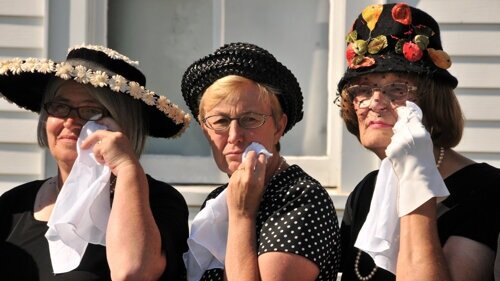
Reliable and consistent preservation is the key to the embalmer’s success in the preparation room. We place our reputation on producing a well embalmed, well preserved remains that are identifiable, recognizable, and presentable to the families we serve. A family can identify their loved one without the remains being fully recognizable and most certainly unpresentable in some situations. The job of a competent, skilled, well-educated and embalmer is to take those undesirable variables away. There is also another key to success. Meeting and exceeding the family’s expectations. Nothing good comes out of someone saying, after a viewing, things like “that’s not Mom.” Or “Honey, please don’t do that to me when I die!” We know as embalmers we are the only one in the funeral home that can give a loved one back in as natural a state as possible. We transform a dead body into a living memory for those grieving. It is our job; we can only promote our profession based on our skills in doing what is best for the remains as well as what is best for the family. We should not place our own personal likes and dislikes into the presentation of the remains and assume it is what the family will like. And we should never do things only because “that is the way I was taught and if it was good enough for my Grandfather it’s good enough for me!”
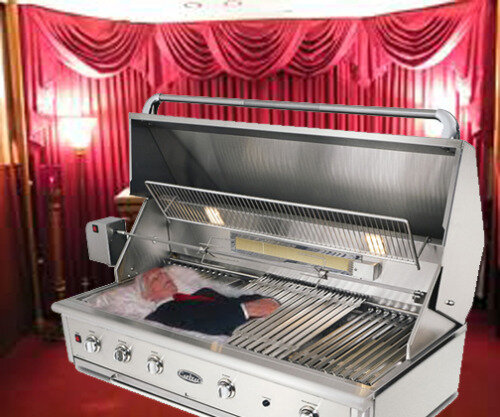
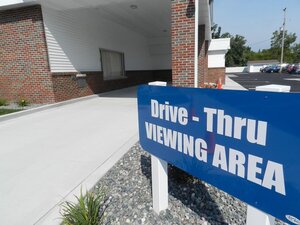
There are many ways of presenting the remains to a family who have endless circumstances and expectations. We adapt and do what is needed to provide the best end results needed under the circumstances presented before us. Just look at today’s world with COVID -19 and the inability to congregate. We adapted for what is best for families and friends and firms now are doing things like “virtual funerals.” It is amazing what we can do when forced to think outside of our comfort zone. Would you have ever considered setting up a “drive-by” visitation in your community 6 months ago?
It all goes back to embalming. If we think of how most of us have been taught in school and by our mentors, we have not strayed away a whole lot from our past. When I was learning as a student the older former owner of the funeral home would come and remove the head block and if the head of the deceased moved the remains were not embalmed properly. This is still common in many areas. With today’s chemistry the perception that remains must be excessively firm and rigid to the touch is simply wrong. And it is NOT what a family wants. It is what WE want because we have been taught that way and can be reluctant to change.

Of course rigidity is a way of confirming the chemicals we use are present in the tissue, but it is not the only way nor is it the most effective way for an embalmer to confirm good preservation. In the family’s mind an overly firm body is not a good result. And it is about the families, right? In the days leading up to the service the conditions usually become more apparent and can cause dehydration and tissue change making it difficult to position and casket the body effectively. As embalmers we think that because firmness means (“in our minds) that the remains will last and we “see and feel” the differences. However, is it really what the family wants?
There are better ways to confirm the remains are well preserved and get a more natural result, making the demand for embalming increase. Effective preservation can be validated by colour change, texture change and confidence in the chemicals we use. A lot of embalmers today still have that fear that if the body does not have excess fixation then they did not do a good job. However, that is untrue in today’s modern world not to mention that it is not what the family wants. Modern chemistry and new products have demonstrated that long term preservation can be attained with minimal firming, resulting in better embalming in the eyes of the public. Nobody wants their loved one rock hard when they kiss them goodbye or with excessive make up because they grayed out using outdated chemical formulas. We must remember as embalmers that we need to open our minds, let go of the stubbornness and begin to provide families what THEY want and not what we think is best for them.
Our profession needs to listen more to each family’s wants, needs, and expectations and not force them into what we are used to or want.
Let me ask the reader, how many embalmers do you think still use their first original cell phone? We have, long ago, upgraded to far more modern and innovative technology that give us better results and meets and exceeds our wants and needs. Take that same perspective and instead of a cell phone, apply it to current and readily available modern chemistry and your end results in the preparation room.
Embalming has long been on the decline. Think of why that is. Change is not always a bad thing. In fact, without change there is no growth and without growth we die.

- WHAT IS INDEX AND HOW DOES IT WORK? - August 21, 2021
- Consider the Need NOT your Want - February 22, 2021
- Knowing Glutaraldehyde - January 27, 2021


You must be logged in to post a comment.