
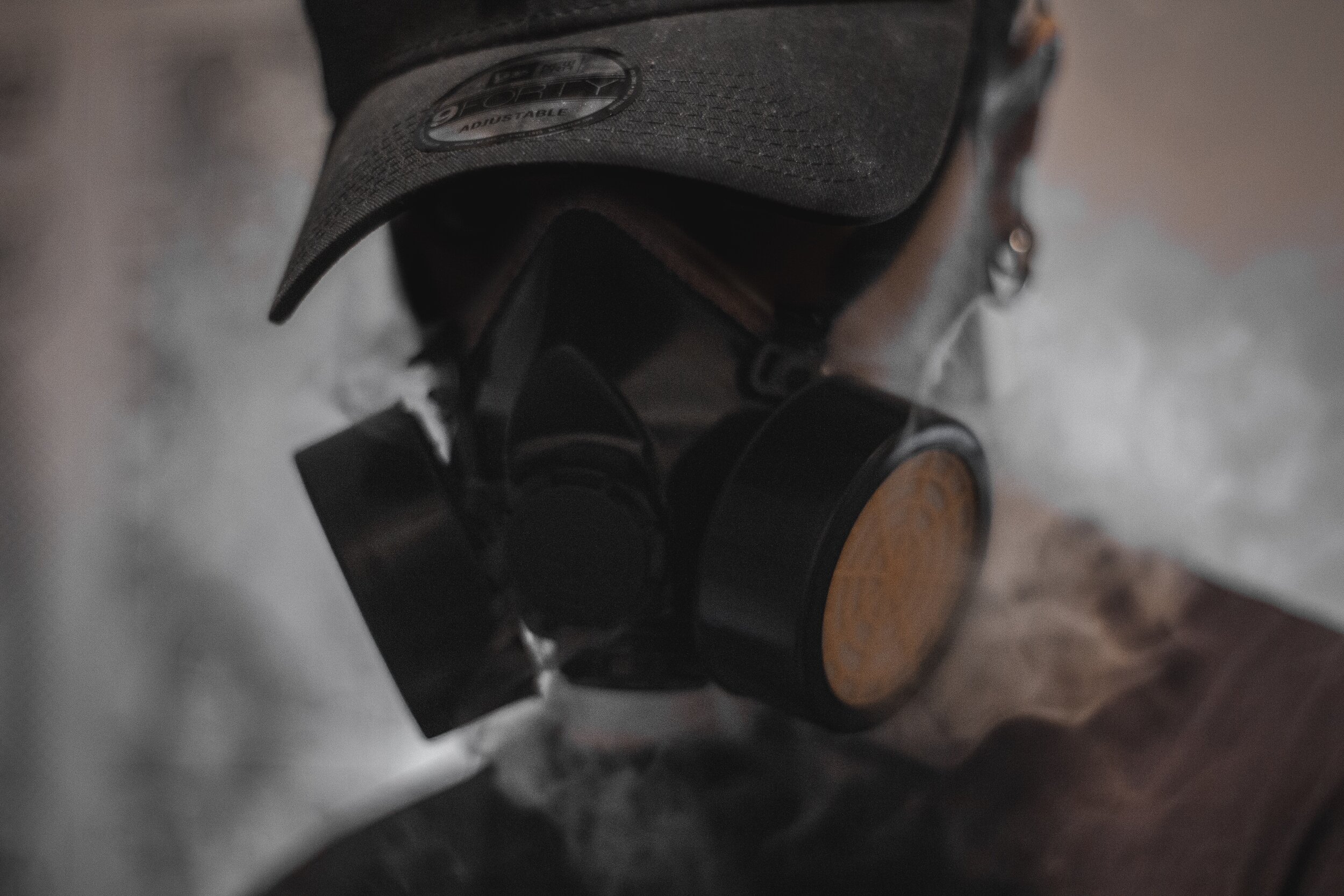

Medical and funeral practitioners are exposed to many dangerous elements during their careers. The risks of infection from bacteria, viruses, or other infectious pathological organisms are present in many professions, and embalming is one of the most risky. We all are taught how to protect ourselves from these risks through training and practical experiences but when was the last time you researched the chemicals you use daily? Do you know what is in the chemicals you use, inhale, and have direct skin contact with?
As embalmers, we should know exactly what is in the chemicals we use. Surprisingly, a lot of the ingredients found in embalming chemicals are also found in medical disinfectants and laboratories at the hospital level. Formaldehyde is a common ingredient in just about everything we use as embalmers, but did you know it is also found in many manufactured products we use regularly in our everyday lives? Looking in our family home many products contain formaldehyde. It is in our beds, the drapes, the paint on our walls, the cosmetics and skincare products in our washrooms, and even cigarette smoke creates a formaldehyde by-product. But what exactly is formaldehyde?
The Formaldehyde Molecule doesn’t look that dangerous! Even though it’s only 1 atom away from water, it IS potentially dangerous!

Formaldehyde is a volatile organic compound. It contains hydrogen, carbon, and 2 oxygen atoms to form the molecule (CH2O) It is found in the air we breathe, vegetation, animals and even humans produce small amounts that help synthesize the amino acids within our bodies. At low levels, in our natural surroundings, formaldehyde exposure poses no health risks. However, exposure to greater levels can be harmful.
We know that formaldehyde, with long term exposure at certain levels, is suspected to be carcinogenic. Headaches, burning eyes and nose, respiratory issues, asthma, nosebleeds, hoarseness, nausea, vomiting, and even depression are also short-term symptoms of exposure to the formaldehyde vapours. Fortunately, for the average person, the highest exposure levels from everyday contact pose no danger. Typical background levels of formaldehyde are less then .03ppm[1] and not harmful to human health.
For embalmers, exposure is anything but average. We should consider both the short and long-term effects of our exposure to the chemicals we use that contain formaldehyde and how we can reduce that exposure. Short term exposure levels should be under the .75ppm threshold for 8 hours. Most funeral homes are mandated to conduct yearly monitoring of formaldehyde levels in the preparation room and adjust should they exceed the permissible levels set by the government. Exhaust fans that recirculate and exchange the air in the workplace is a common way to reduce formaldehyde exposure.

Formaldehyde “gassing” creates exposure. If the formaldehyde were stabilized more effectively in the solution of the embalming chemical the fuming and consequentially the exposure levels would be greatly reduced. The problem is a chemical called methanol. Most formaldehyde-based embalming chemicals use added methanol to stabilize the formaldehyde (which, at room temperature, wants to be a gas) in suspension in the liquid in the bottles. Methanol is a readily available and affordable but heavily toxic, colorless, and extremely volatile flammable liquid. It is also known as methyl alcohol. The problem with adding methanol to stabilize the gas is three-fold. First, it is a liquid that wants to be a gas at room temperature and will, when exposed to the air, fume. It will also carry the formaldehyde gas with it. Second, it is the catalyst that causes excessive dehydration and firmness within the tissues of the body. Dehydration is an embalmer’s adversary and, contrary to popular belief, a rock-hard body is not something families want or appreciate when saying their final good-byes. Third, excess methanol can overwork the formaldehyde and not know when to stop. This excess, when combined with blood hemoglobin, can cause an abundance of methyl-hemoglobin resulting in a grey pallor sometimes called “formaldehyde grey.”
Modern advances in chemistry are not easy tasks. Thankfully, there are now chemicals in the funeral profession that have been developed and undergone exhaustive scientific study that proves they lower exposure levels of toxins by over 50% and still provide the long-term preservation demands needed in our profession. The “old school” standards are not the best option anymore.
Universities across the globe use these modern methods to stabilize the CH20 in suspension without the need to add additional methanol. These products are perfect for anatomical long-term preservation and have now been used in a new form of embalming chemicals for funeral service use. Without added methanol and using modern chemistry for stabilization of formaldehyde our work environments are safer.
If we do our homework, know the hazards and the proper safety protocols of the products we interact with our work environment will be a safer place and our health will improve. Workplace safety is paramount in any profession, but the added benefit with these products leads to a better end-result which can collectively bring back the demand for embalming.
[1] https://www.epa.gov/haps/health-effects-notebook-hazardous-air-pollutants
- WHAT IS INDEX AND HOW DOES IT WORK? - August 21, 2021
- Consider the Need NOT your Want - February 22, 2021
- Knowing Glutaraldehyde - January 27, 2021



You must be logged in to post a comment.